Revolutionizing the Way Kids Learn Geometry
Revolutionizing the Way Kids Learn Geometry
Teachers in elementary schools are in charge of weaving creativity into education, turning geometry lessons into an exciting adventure. This journey transforms the essence of geometry from mere numbers and shapes into a lively, hands-on exploration. Here, we will uncover groundbreaking methods that make geometry a thrilling discovery for students, setting them on a path of curiosity and joy in their educational voyage.
Engaging Geometry Basics for Kids
Geometry is a gateway for young explorers eager to understand the world of shapes and spaces. Teachers who are always searching for fresh ways to present this subject will find that geometry encompasses more than just strict rules. We see and interact with it daily, making it a vibrant part of life. Let us dive into how we can introduce this fascinating subject to children, turning it into a delightful part of their learning routine.
Starting with everyday moments can change how kids view geometry. Incorporating playful tasks, using geometry-related language in regular talks, and encouraging kids to notice geometry around them open the door to innovative and engaging teaching methods. This approach makes geometry appealing and sets off an adventure in learning.
Innovative Geometry Teaching Strategies
The mission to make geometry a subject that students eagerly anticipate has led teachers to scout for novel teaching approaches. Recognizing the value of these strategies is crucial. They transform lessons into interactive sessions where students connect with complex ideas in a joyful, understandable way. Drawing from diverse educational tactics, we find that including play, visual aids, and hands-on projects significantly boosts students’ grasp and interest in geometry.
As educators continue to blend these creative strategies into their lessons, they turn geometry into a highlight of the student’s learning experience. By focusing on fun and engagement, teachers deepen students’ understanding and kindle a lasting love for math. Through imaginative and innovative teaching, geometry becomes an exciting journey of discovery.
Hands-on Geometry Learning Experiences
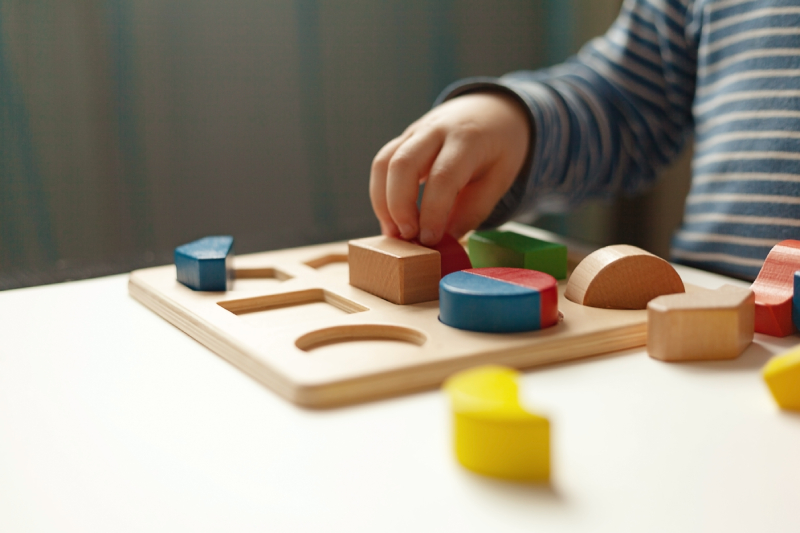
Highlighting the significance of hands-on learning in understanding geometry is essential for teachers aiming to refresh their instructional methods. Engaging students with activities that allow them to directly manipulate and interact with geometric ideas greatly improves their comprehension and memory. Activities such as using blocks to discover shapes and spatial relationships, crafting 3-D models, and finding geometry in daily tasks offer these invaluable experiences.
Moving towards creative projects and designs further solidifies students’ understanding, showcasing geometry’s endless possibilities outside the traditional classroom setting. As teachers explore new ways to bring geometry to life, these hands-on experiences emerge as key strategies. By integrating these into their lessons, educators make sure students grasp geometric concepts and see their practical applications in the surrounding world.

Integrating Geometry into Kids Daily Routines
Making geometry a part of kids’ everyday activities transforms abstract ideas about shapes, spaces, and locations into concrete, understandable concepts. Teachers, always on the quest for inventive methods, can seamlessly incorporate geometry into daily life, enhancing learning with fun and relevance. This section looks at practical examples and ideas for embedding geometry into children’s routines, stressing the importance of engaging with geometric ideas beyond classroom walls.
Simple activities like organizing children into various shapes or matching items to their shelf outlines based on shape make geometry relatable and demonstrate its presence in common contexts. These practices link geometry with real-life scenarios and encourage kids to view the world through a geometric lens. Teachers promote critical thinking and problem-solving skills by challenging students with tasks like fitting objects into spaces.
Read More : Transforming Math Learning Engaging Activities for Elementary Students
Essential Resources and Tools for Geometry Teaching
In the quest to make geometry a subject that captivates students, teachers search for groundbreaking teaching methods. A key part of this search involves finding and using essential resources and tools that address students’ varied learning preferences. Leveraging various resources, including interactive aids and reference materials, dramatically enriches the teaching and learning experience.
Visual aids are crucial in demystifying complex geometric ideas for young minds. Introducing geometry reference sheets allows students to quickly review shapes, terms, and properties at their own pace. These guides help especially visual learners by simplifying the recall of key information.
As teachers adopt these innovative methods and tools, geometry education becomes an engaging and enjoyable pursuit for students. The secret lies in continually seeking and incorporating new ways to make lessons interactive and enjoyable, ensuring that students understand and develop a passion for geometry.
Empowering the Next Generation of Geometric Thinkers
Our exploration into inventive geometry teaching opens up vast possibilities for educators and students. By merging play, creativity, and practical applications, teachers unlock a realm where geometry breaks free from traditional confines, igniting curiosity and wonder among students. This journey enhances the educational experience and lays a solid groundwork for a deep-seated appreciation of math. As educators push the boundaries of innovation, they pave the way for a future where students not only comprehend geometric concepts but excel in them. Engaging with experts in cutting-edge teaching techniques offers immense benefits.